Glutathione Liver Can people with Hashimoto's take glutathione?
\nCan People with Hashimoto\'s Take Glutathione? An Honest Review for Men Over 55
\n\nNavigating health choices after age 55 introduces unique challenges, particularly when managing a chronic autoimmune condition like Hashimoto’s thyroiditis. For many men, the conversation often shifts from basic hormone replacement to optimizing cellular energy, fighting persistent fatigue, and reducing systemic inflammation. Recently, a specific question has surged in health forums and patient communities: can people with Hashimoto\'s take glutathione? This curiosity is driven by a desire to find supportive, over-the-counter options that might complement standard levothyroxine therapy without disrupting a delicate metabolic balance.
\n\nWhen you are in your mid-50s or 60s, your body’s natural antioxidant production naturally declines. This age-related drop coincides with the chronic oxidative stress inherent to autoimmune thyroid flare-ups, leaving many men feeling sub-optimal even when their standard TSH labs read "normal." However, entering the supplement market requires a healthy dose of skepticism. The wellness industry is saturated with bold promises of "immune resets" and "thyroid cures," which rarely match reality. This article aims to provide an objective, data-backed consumer review of glutathione supplementation, specifically tailored for older men who need clear facts rather than marketing hype.
\n\n\n\n
What Hashimoto\'s Autoimmune Thyroiditis Is and Who It Might Fit Best
\nHashimoto\'s thyroiditis is an autoimmune disorder characterized by the immune system mistakenly attacking the thyroid gland, leading to gradual tissue destruction and, eventually, hypothyroidism. For men over 55, the clinical presentation can be subtle but impactful—often manifesting as stubborn brain fog, unexplained muscle weakness, joint stiffness, and a metabolic slowdown that makes weight management incredibly frustrating. Because the root cause is immune dysregulation rather than just a sluggish thyroid, focusing solely on hormone levels occasionally leaves a piece of the puzzle missing.
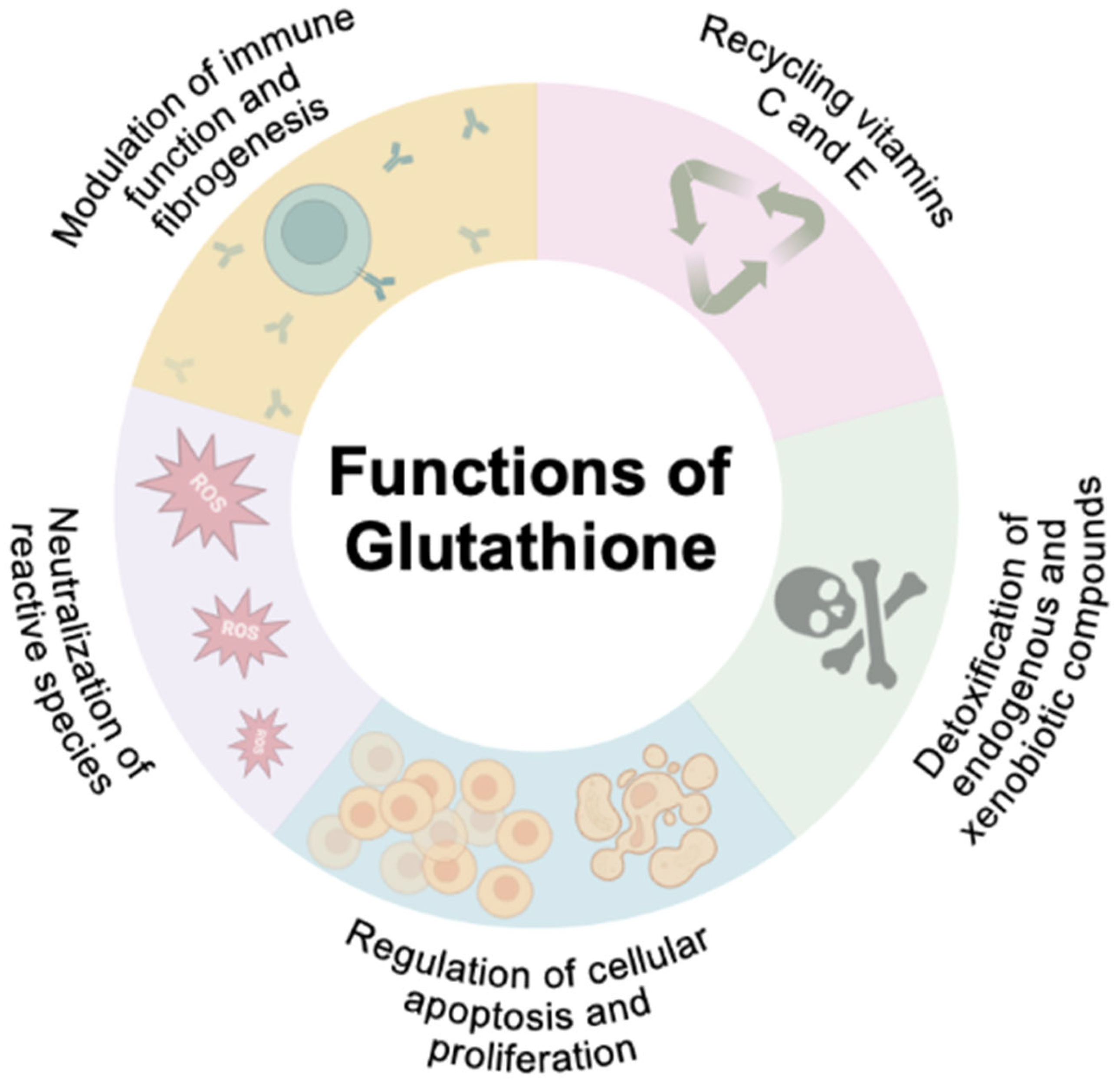
\n\nThis is where the inquiry into glutathione for Hashimoto\'s disease safety typically begins. Glutathione is a tripeptide composed of three amino acids (cysteine, glutamic acid, and glycine) and functions as the body\'s primary endogenous antioxidant. It is heavily concentrated in the liver and cells throughout the body, playing a crucial role in neutralizing free radicals and supporting detoxification pathways. For an older male whose system is working harder to clear metabolic waste and quell chronic inflammation, a targeted antioxidant approach might seem like a logical fit. It is generally considered by individuals who have already stabilized their foundational thyroid medications but still experience lingering, low-grade inflammatory symptoms that impact their daily quality of life.
\n\n\n\n
Practical Benefits and Where It Falls Short
\nIn theory, increasing cellular antioxidant levels sounds entirely positive. Consumers often report secondary benefits such as a modest improvement in morning energy levels, less pronounced muscle soreness after light exercise, and improved clarity during periods of intense mental focus. However, these benefits are rarely uniform, and the supplement falls short for many because oral delivery of standard glutathione is notoriously inefficient. The digestive tract easily breaks down the molecule before it can reach systemic circulation, meaning many users end up spending significant money on products that yield very little actual cellular absorption.
\n\nReal-World Consumer Experiences
\n\n\n\nThe Positive Case: Mark, Age 58
\n
\n Mark was diagnosed with Hashimoto’s at age 52. While his daily dose of 112mcg Synthroid kept his TSH stable around 2.0 mIU/L, he consistently struggled with persistent afternoon fatigue and stiff knees. After researching options, he introduced a high-quality liposomal glutathione supplement at 500mg per day. Over a 6-week period, Mark noted a subtle but distinct shift: his morning stiffness decreased, and he no longer needed a nap at 3 PM. For Mark, the supplement cost of $65 a month felt justified by the noticeable upgrade in his daily physical comfort.
\n\n\nThe Negative Case: Robert, Age 62
\n
\n Robert decided to try an affordable, standard oral glutathione capsule (500mg daily, costing $28 per bottle) to combat chronic brain fog. Within four days of starting the regimen, Robert experienced significant bloating, mild abdominal cramping, and an unpleasant sulfur-like aftertaste that persisted for hours. Furthermore, after a month of consistent use, his follow-up blood work showed absolutely no change in his thyroid antibody levels (TPO or TgAb), nor did his subjective feelings of brain fog improve. For Robert, the product was an absolute waste of money and caused unnecessary digestive distress.
 \n
\n\n\n
What Research Suggests and What It Doesn\'t
\nWhen assessing whether can people with Hashimoto\'s take glutathione safely, looking strictly at peer-reviewed evidence is vital. Clinical studies indicate that individuals with chronic autoimmune thyroiditis frequently exhibit higher markers of oxidative stress and lower localized glutathione levels within their tissues. This suggests a correlation between antioxidant depletion and chronic thyroid inflammation. However, consumers must understand the limit of these findings: correlation does not equal causation. Most robust studies have been performed in vitro (in test tubes) or in animal models, or they involve intravenous delivery rather than the over-the-counter pills found on retail shelves.
\n\nThere is currently no definitive clinical proof that taking oral glutathione will lower your thyroid antibody counts, cure your underlying autoimmune disease, or allow you to reduce your prescription thyroid hormone dosage. Furthermore, introducing a potent immune-modulating substance carries inherent risks. Because Hashimoto\'s involves a highly sensitive, overactive immune response, altering your body\'s antioxidant balance can occasionally trigger unexpected immune reactivity or interact unpredictably with other medications. The medical consensus emphasizes caution; while it may serve as a supportive tool for general cellular health, it should never be viewed as a standalone therapeutic intervention for thyroid failure.
\n\n\n\n
Ingredients, Formats, and Quality Signals
\nIf you choose to experiment with this supplement, understanding product labels is your best defense against ineffective products. Because standard L-glutathione is easily degraded by stomach acids, the format you choose determines whether the active compound actually reaches your cells.
\n\n- \n
- Liposomal Delivery: This method encapsulates the glutathione molecule inside a lipid bilayer (usually derived from non-GMO sunflower lecithin). This protective bubble allows the compound to bypass destructive stomach acids, vastly improving systemic absorption. \n
- S-Acetyl-L-Glutathione: A highly stable variation where an acetyl group is attached to the sulfur atom. This modification protects the molecule in the digestive tract and allows it to effectively penetrate the cellular membrane directly. \n
- Quality Standards to Look For: Always select products manufactured in a cGMP (Current Good Manufacturing Practice) compliant facility. More importantly, verify that the brand provides a publicly accessible Certificate of Analysis (CoA) from an independent, third-party testing organization (such as NSF, USP, or ConsumerLab). This ensures the product actually contains the stated dosage and is free from heavy metal contamination, which is particularly vital for maintaining thyroid health. \n
\n\n
Comparison of Common Options
\nTo help you navigate the retail landscape objectively, here is a breakdown of how the primary supplement formats compare across essential consumer metrics:
\n\n| Format | \nTypical Dose/Use | \nPros | \nCons | \nCost (Monthly) | \nBest For | \n
|---|---|---|---|---|---|
| Standard L-Glutathione Capsules | \n250mg - 500mg daily | \nInexpensive; widely available; easy to swallow. | \nExtremely poor absorption; easily broken down in the gut. | \n$20 - $35 | \nBudget-conscious individuals seeking general antioxidant support. | \n
| Liposomal Liquid / Gel | \n400mg - 500mg daily | \nHigh bioavailability; enters bloodstream rapidly. | \nStrong, unpleasant sulfur odor/taste; requires refrigeration. | \n$55 - $85 | \nMen seeking maximum absorption who don\'t mind a strong taste. | \n
| S-Acetyl Glutathione Capsules | \n100mg - 300mg daily | \nExcellent intracellular delivery; convenient capsule form; no bad taste. | \nPremium pricing; limited brand options available. | \n$60 - $95 | \nThose prioritizing targeted cellular delivery and convenience. | \n
| Glutathione Precursors (NAC) | \n600mg - 1200mg daily | \nSupports the body\'s own production; highly cost-effective; well-researched. | \nRelies on your own liver enzyme function to convert it efficiently. | \n$15 - $30 | \nA gentle, long-term foundational approach to systemic health. | \n
| Sublingual Tablets | \n100mg - 200mg daily | \nBypasses the first-pass liver metabolism through oral mucosa. | \nCan cause mild local mouth irritation; requires patience to dissolve. | \n$35 - $50 | \nUsers who struggle with large capsules or liquid formulas. | \n
\n\n
Buying Framework and Red Flags
\nWhen shopping for supplements online or at a local health store, you need a disciplined framework to avoid getting scammed by clever marketing copy. Use this simple checklist before finalizing your purchase:
\n\n- \n
- Avoid Proprietary Blends: If the label states a "Total Antioxidant Complex" without explicitly detailing the exact milligrams of glutathione versus fillers, put it back on the shelf. \n
- Check the Allergen Warnings: Many liposomal options utilize soy lecithin to create the lipid spheres. If you have Hashimoto\'s, you may prefer to avoid soy; look strictly for non-GMO sunflower lecithin instead. \n
- Beware of Extreme Claims: Run away from any brand that uses words like "cure," "reverses Hashimoto\'s entirely," or "guaranteed to lower TPO antibodies in 30 days." Authentic health products communicate via conservative, realistic goals. \n
- Verify Third-Party Seals: Ensure there is a visible stamp from a reputable independent testing lab, or a QR code that links directly to the batch\'s lab analysis. \n
 \n
\n\n\n
Common Mistakes and How to Avoid Them
\nThe biggest mistake men over 55 make when exploring glutathione for Hashimoto\'s disease safety is changing too many variables at once. For instance, starting a new thyroid prescription dose, changing your diet, and introducing a high-dose liposomal glutathione supplement all in the same week creates total confusion. If your energy spikes or your stomach rebels, you will have no accurate way to identify which change caused the reaction.
\n\nAnother major trap is neglecting the timing of your core thyroid medication. Your morning levothyroxine or Synthroid dose requires an completely empty stomach with zero interference to absorb correctly. Taking any supplement—especially one involving complex lipids or amino acids—at the exact same time can significantly inhibit your prescription\'s efficacy, inadvertently sending your TSH levels climbing. Always separate your thyroid medication from any oral supplement by a minimum of 4 hours.
\n\n\n\n
FAQ
\n\nIs glutathione proven to help thyroid conditions?
\nWhile lab studies show that antioxidant depletion correlates with cellular damage in chronic thyroiditis, it is not clinically proven that oral supplements can treat or alter the progression of Hashimoto\'s. It should be categorized strictly as a supportive option for overall wellness rather than an established medical intervention.
\n\nHow long does it take for glutathione to work for autoimmune symptoms?
\nIndividuals who do notice a subtle subjective benefit (such as reduced morning stiffness or slight improvements in energy) typically report changes within 4 to 6 weeks of daily, consistent use of highly bioavailable forms. If you notice absolutely no change after 60 days, it is highly likely that your body is not absorbing the product effectively or it does not address your specific health bottlenecks.
\n\nWhat are the side effects of glutathione for older adults?
\nThe most frequent complaints among older men involve mild digestive issues, including abdominal bloating, gas, and loose stools—particularly with liquid liposomal variations. Long-term, continuous, high-dose usage also carries a theoretical risk of lowering your body\'s natural zinc levels, so keeping an eye on trace minerals is a wise move.
\n\nCan it combine with thyroid medications safely?
\nYes, provided you observe a strict timing separation. To ensure your body properly absorbs your primary hormone replacement, take your levothyroxine first thing in the morning and wait at least 4 to 6 hours before consuming any glutathione supplement.
\n\nWhat are the pros and cons of oral vs injection/alternative delivery methods?
\nOral capsules are cheap but suffer from poor bioavailability. Liposomal liquids offer vastly superior absorption but carry an unpleasant sulfur taste and higher price tags. Intravenous (IV) injections completely bypass the gut for maximum delivery, but they require medical supervision, are highly invasive, and carry an expensive recurring cost that is rarely practical or necessary for basic wellness goals.
\n\n\n\n\n\n
A Practical 2-Week Experiment Framework
\nIf your doctor gives you the green light to proceed, avoiding an haphazard approach is vital. Use this structured, conservative protocol to assess how your body responds to the supplement:
\n\n- \n
- Days 1 - 3 (The Baseline Check): Maintain your normal diet and medication schedule exactly as prescribed. Do not introduce the supplement yet. Keep a brief daily note regarding your baseline energy levels, digestive comfort, and muscle pain on a scale of 1 to 10. \n
- Days 4 - 7 (Introduction Phase): Introduce your chosen high-quality liposomal or S-acetyl glutathione at a half-dose (e.g., 200mg-250mg instead of 500mg). Take it mid-morning or early afternoon, ensuring it is at least 4 hours after your thyroid medication. Monitor closely for signs of bloating, nausea, or unexpected fatigue. \n
- Days 8 - 14 (Full Protocol): If your digestion remains perfectly stable, increase to the full manufacturer-recommended dose (typically 500mg daily). Continue tracking your daily scores. If any adverse digestive symptoms or unusual jitters appear, discontinue immediately and return to your baseline habits. \n
\n\n
About the Author
\nJames Thorne, CPT is a senior health writer and independent product reviewer specializing in metabolic longevity and wellness protocols for men over 50. With over a decade of experience analyzing supplement labels and translating complex biochemical trends into straightforward consumer advice, James prioritizes practical safety over industry hype.
\n\nDisclaimer: The information provided in this article is intended strictly for educational and informational purposes. It does not constitute medical advice, diagnosis, or treatment. Autoimmune thyroiditis requires careful, ongoing medical management. Always consult your primary care physician, endocrinologist, or qualified healthcare professional before introducing any new dietary supplement, altering your daily routine, or modifying your prescription medication schedule.
\n
Discussion